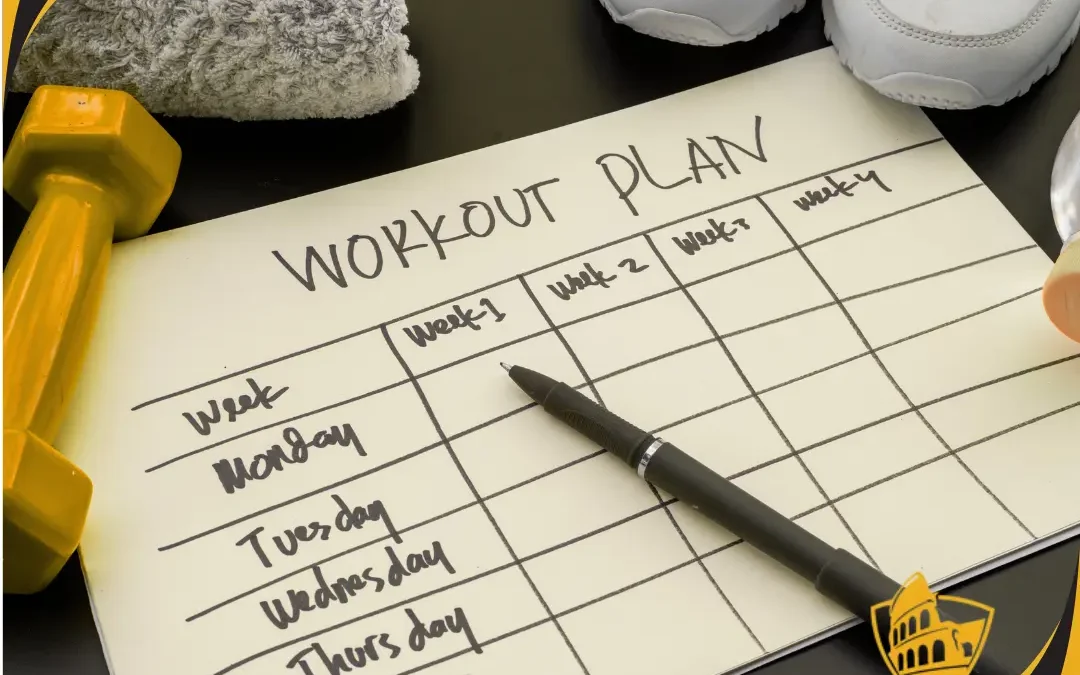

The holiday season has a special way of pulling us in many directions at once. December arrives with its cozy lights, family gatherings, travel plans, tempting foods, and an avalanche of social commitments. Our schedules swell, our routines crack, and our self-care habits—particularly exercise—often slip quietly to the bottom of the priority list. Before we know it, the season meant for joy and connection leaves us feeling sluggish, overwhelmed, or guilty about workouts we didn’t do.
But here’s the truth we often forget: fitness doesn’t have to be an all-or-nothing pursuit—especially during the holidays. In fact, embracing the mindset that something is better than nothing might be the key to staying consistent, maintaining energy, and entering the new year feeling grounded rather than defeated.
This blog is a deep dive into how to realistically approach holiday fitness—without perfectionism, without stress, and without unrealistic expectations. If you take away one message, let it be this: your small efforts count, and they count more than you think.
Why the All-or-Nothing Mindset Fails Us Most During the Holidays
For many people, fitness success is tied to structure: regular routines, predictable schedules, meal planning, gym sessions, group classes. The holiday season disrupts all of that. When you have a work party one night, a family dinner the next, holiday shopping to finish, and travel on the horizon, it’s easy to fall into a mindset that says:
- “I can’t do my full workout, so I’ll skip today.”
- “This week is too busy; I’ll restart in January.”
- “I already ate something heavy—might as well write off the entire day.”
This is the classic all-or-nothing trap.
But the truth is, fitness does not operate on binary rules. Your body doesn’t require 60 minutes of structured exercise to benefit. Your muscles don’t know whether your heart rate increased from a 20-minute walk or a full circuit at the gym—they only know that you moved.
During the holiday season, perfection is not only unrealistic; it’s unnecessary. Consistency, even with smaller efforts, provides enormous physical and mental benefits. And when life gets chaotic, consistency comes not from doing everything but from doing something.
The Science Behind “Something Is Better Than Nothing”
Let’s take a moment to anchor this in research and physiology.
1. Small bouts of exercise still improve cardiovascular health.
Studies show that even 10-minute bursts of moderate physical activity can improve cardiovascular fitness, circulation, and overall health markers. Your heart doesn’t require hour-long sessions to benefit—accumulated minutes matter.
2. Muscle maintenance responds to stimulus, not perfection.
Strength training during the holidays doesn’t need to follow a strict program. Picking up a pair of dumbbells for 10 minutes, doing a quick bodyweight routine, or carrying grocery bags with intention can prevent muscle loss and keep your body primed for when your regular routine resumes.
3. Physical activity reduces stress and improves sleep.
The holiday season is joyful, yes, but it can also be stressful and emotionally charged. Short sessions of movement—even a casual walk—boost endorphins, steady cortisol levels, and support better sleep quality. These benefits compound far beyond the workout itself.
4. Movement creates momentum.
Doing something today—even something small—makes doing something tomorrow easier. This psychological effect is one of the biggest reasons small actions matter: they prevent stagnation and help you maintain identity-based habits (e.g., “I am someone who stays active”).
Reframing Holiday Fitness: It’s Not About Burning Calories
Traditional fitness advice during the holidays often emphasizes “burning off” meals, “staying ahead” of indulgences, or “working off” treats. This approach breeds guilt and makes exercise feel punitive—a chore performed out of obligation rather than joy.
A healthier mindset is this:
Holiday fitness is about feeling good, staying energized, supporting your mental health, and strengthening your connection to your body.
Movement should help you:
- Navigate stress
- Stay present
- Feel more capable
- Counter holiday fatigue
- Maintain mobility
- Keep your mood lifted
- Enjoy the season, not endure it
You’re not training for a fitness competition—you’re cultivating well-being in the midst of a demanding season.
10 Practical Strategies to Keep Moving When Life Gets Busy
Here are tangible, realistic strategies to help you stay active when your schedule is overflowing.
1. Lower the Bar—On Purpose
Give yourself permission to set smaller goals during the holiday season. Instead of a 60-minute workout, aim for 15. Instead of running 5 miles, walk for 20 minutes. Instead of hitting the gym four times a week, aim for twice.
When your expectations are flexible, your chances of showing up skyrocket.
2. Embrace “Micro-Workouts”
Micro-workouts are tiny, concentrated bouts of exercise—2 to 10 minutes at a time—that you can weave into your day. Examples:
- 20 air squats while your coffee brews
- A 5-minute core circuit before your shower
- A quick set of push-ups every time you check your email
- 10 minutes of stretching before bed
These add up more than most people realize.
3. Make Walking Your Secret Weapon
Walking is the easiest, most underrated form of exercise—perfect for a hectic season. It requires no equipment, no gym, and no change of clothes.
Ways to incorporate walking:
- Walk while making phone calls.
- Suggest post-dinner family walks.
- Park farther away while shopping.
- Walk for 10 minutes first thing in the morning.
- Explore your holiday destination on foot.
Walking is gentle yet powerful, especially when your schedule is packed.
4. Turn Holiday Tasks Into Movement Opportunities
Holiday to-dos become double-duty fitness boosters if you approach them intentionally:
- Carry heavy shopping bags like farmer’s carries.
- Clean the house with energy and speed.
- Take multiple trips to load or unload the car.
- Do calf raises or squats while waiting in lines.
When you view daily life through a movement-ready lens, exercise becomes woven into your routine organically.
5. Keep a “Travel-Ready” Bodyweight Routine
Whether you’re visiting family or staying in a hotel, have a go-to routine that requires no equipment. Here’s a simple, no-fuss option you can do anywhere:
- 20 squats
- 10 push-ups
- 20 lunges
- 20 glute bridges
- 30-second plank
- 20 jumping jacks
Repeat 2–3 times if time allows, or perform just once because “something is better than nothing!”
6. Prioritize Movement in the Morning
The later in the day you wait, the more crowded your schedule becomes. Morning movement—even just 10 minutes—helps ensure you don’t get derailed by unexpected plans, guests, or holiday events.
A quick stretch or short walk in the morning also sets a positive tone for the rest of the day.
7. Keep Equipment Visible
If you’ll be home during the holidays, make movement effortless by keeping small equipment in view:
- Resistance bands on the couch
- Dumbbells near the TV
- A yoga mat rolled out
- A jump rope by the back door
If your environment encourages movement, doing something small becomes automatic.
8. Set “Good Enough” Goals
Instead of aiming for perfect workouts, try:
- “Move for 10 minutes every day.”
- “Break a sweat at least twice this week.”
- “Do something active before attending any holiday party.”
- “Stretch before bed on travel days.”
These small commitments create momentum at a time when traditional fitness goals often fall apart.
9. Use Social Time to Stay Active
The holidays often revolve around food, but your social plans don’t have to. Try:
- Walking coffee dates
- Ice skating
- Dancing at parties
- Group fitness classes with friends at TFW MAHOPAC!
- Hiking with family
- Backyard games
- Building snowmen or going sledding with kids
Movement doesn’t have to be solitary or formal; it can be woven into the joy of the season.
10. Release Guilt—It Works Against You
Guilt is one of the biggest obstacles to holiday fitness. It tells you that:
- You’ve failed
- You’ve undone your progress
- You should give up until January
But guilt is a liar.
Your body doesn’t need shame; it needs care.
The holiday season is not a fitness test—it’s a temporary shift in routine. Give yourself grace, stay flexible, and keep showing up in small ways.
Nutrition Matters Too (And Small Steps Apply Here As Well)
Though this blog focuses on movement, holiday eating patterns can influence how you feel physically. Once again, the principle holds: something is better than nothing.
- Drink water before events.
- Add a serving of vegetables to one meal a day.
- Have fruit in the morning.
- Don’t skip meals to “save calories.”
- Eat mindfully instead of restricting.
You don’t need to overhaul your diet in December. Just support your body with small, consistent choices.
The Hidden Benefits of Staying Active During the Holidays
Even minimal movement provides benefits that reach far beyond calories burned or muscles toned.
1. You maintain psychological momentum.
It’s always easier to keep going than to start over. By doing small workouts, you protect your future self from the “January restart” cycle.
2. You feel more energized.
Movement boosts vitality—even if you’re tired, stressed, or overwhelmed. Sometimes a quick walk or stretch is exactly what your body needs to recharge.
3. You’ll sleep better.
Between late-night gatherings, travel, and sugar-rich treats, sleep often gets disrupted during holidays. Light exercise positively affects sleep quality without overstimulating your system.
4. You reduce seasonal stress.
Your brain loves movement. It helps regulate mood, prevent overwhelm, and improve emotional resilience during a season that can be emotionally complex.
5. You preserve your long-term fitness base.
You don’t need to “gain progress” in December. Maintaining your baseline fitness is a huge win—and doing something small helps you do just that.
Sample Holiday Movement Plan (Highly Flexible)
Here’s a simple weekly guide to show what “something is better than nothing” can look like IF you can’t make it to the TFW Mahopac Dojo!
Monday
- 15-minute fast walk
- 2 minutes of stretching
Tuesday
- 8-minute bodyweight routine
Wednesday
- 20-minute walk with family or coworkers
Thursday
- 10 minutes of yoga before bed
Friday
- 5-minute core circuit
- Lots of daily-life movement (cleaning, shopping, cooking)
Saturday
- Dance at a party or do a 15-minute music-driven workout
Sunday
- Rest + a gentle stretch
This plan adds up to little moments of movement that support your body without adding stress.
Closing Thoughts: Your Effort Counts—Always
The holidays are not a test of discipline; they are a season of connection, celebration, and reflection. Fitness should support your life—not compete with it. When you shift your mindset from perfection to possibility, every small action becomes meaningful.
That 10-minute walk is enough.
That short stretch before bed is enough.
That one set of squats is enough.
That playful activity with your family is enough.
You don’t need to wait until January.
You don’t need to earn your holiday meals.
You don’t need to chase perfection.
All you need to do is something.
And something is always, undeniably, better than nothing.